
Risk and Mindset
Trading Psychology for Beginners: Stay Calm After a Loss
Trading psychology for beginners: simple habits to handle losses, avoid revenge trading and stick to your plan. From an AblazeFX live masterclass.

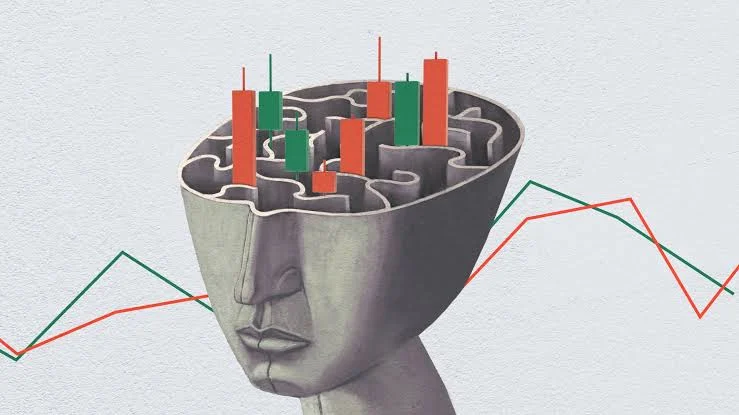
Key Takeaways
- Decide your risk before you enter a trade.
- Pause after a loss instead of trying to win it back.
- Write down why you took each trade and review it every week.
Why Losses Feel So Hard
Losses are a normal part of trading, but they can still bring up fear and frustration. When emotions take over, traders often break the rules they set while they were calm.
How to Avoid Revenge Trading
Revenge trading means opening a new trade only to recover a recent loss. It tends to lead to larger positions and weaker decisions. A set pause after a loss gives you time to reset.
Build a Simple Trading Routine
Before each session, review your plan, your risk per trade and the news for the day. After each session, record what went well and one thing you will change next time.
Common Questions
What is trading psychology?
Trading psychology is how your emotions, such as fear after a loss or excitement after a win, affect your trading decisions. Good trading psychology means following your plan even when you feel the urge not to.
What is revenge trading?
It is entering a trade to recover a loss, rather than because your plan shows a valid setup.
How can I keep my risk consistent?
Choose a fixed risk per trade before the session starts, then work out your lot size from that number every time.
For education only. This article is not financial advice, and trading involves risk.